environmental justice advocates over community protections and utility costs.
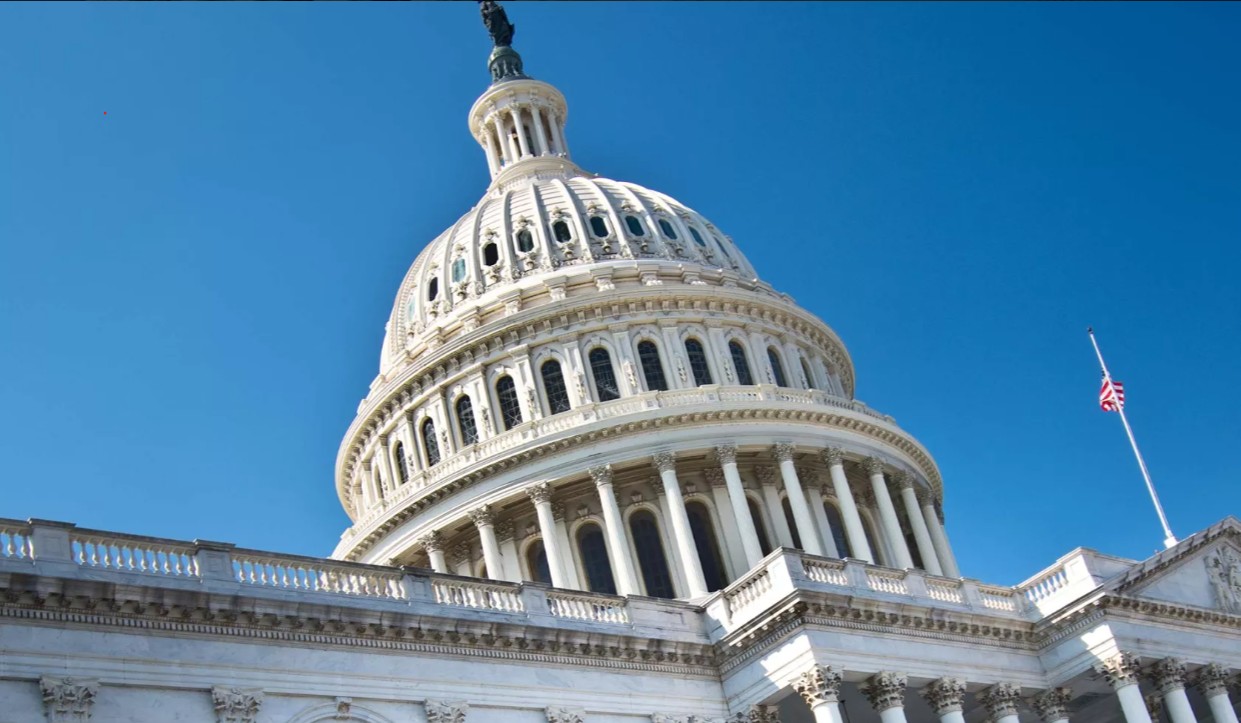
WASHINGTON, D.C. – The U.S. Senate has advanced the Bipartisan American Affordability and Jobs Act of 2026 (BAAJA), legislation designed to accelerate approval of major energy infrastructure projects, including those needed to support the nation’s rapidly expanding data center industry.
The measure, which advanced November 9 with bipartisan support, seeks to reduce federal permitting delays that supporters say have slowed construction of power plants, transmission lines and other infrastructure needed to meet growing electricity demands.
Supporters argue that streamlining the approval process could encourage private investment, create jobs, strengthen the nation’s electrical grid and eventually help lower energy costs for American households and businesses.
However, the legislation has sparked concerns among environmental and civil rights advocates who warn that weakening federal review requirements could expose vulnerable communities to additional pollution while limiting their ability to challenge potentially harmful developments.
At the center of the debate is how the federal government balances economic development and energy affordability with environmental protections and community involvement.
The rapid expansion of artificial intelligence, cloud computing and large data centers has placed increasing pressure on electricity providers to expand generating capacity and modernize aging infrastructure.
Data centers can require enormous amounts of electricity, raising questions about who should pay for the new power plants and transmission facilities needed to support them. Consumer advocates have expressed concerns that some infrastructure costs could ultimately be passed along to residential customers through higher utility bills.
The legislation includes provisions intended to address electricity infrastructure costs associated with large energy users while making it easier to develop new power supplies.
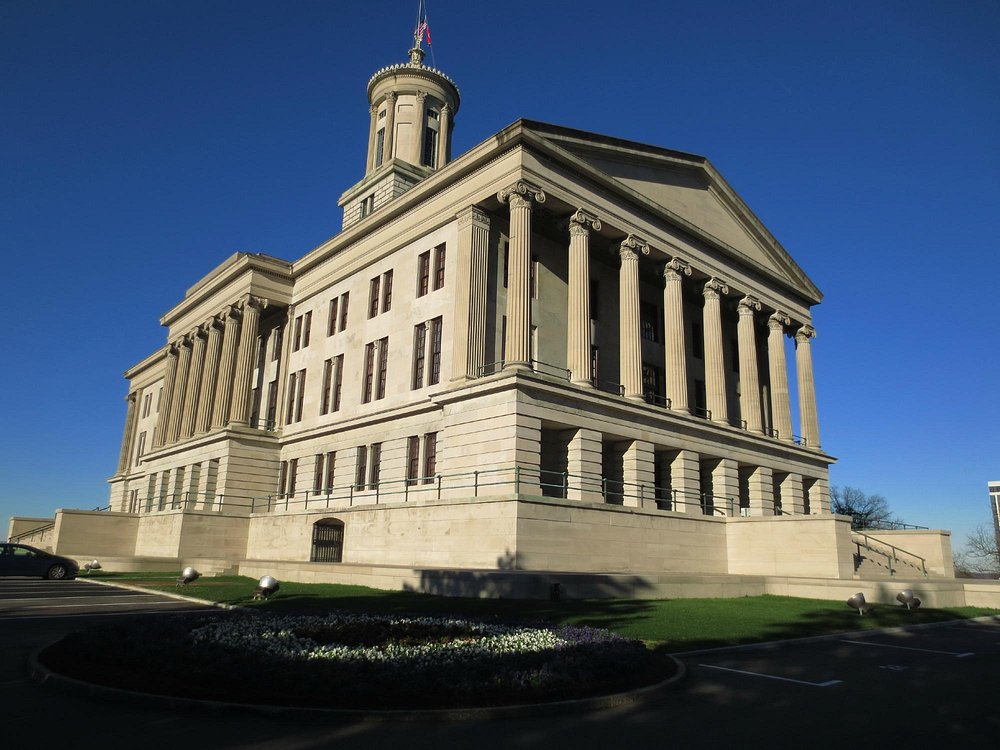
For states such as Tennessee, where technology investment and population growth are contributing to increasing electricity demand, the debate carries particular significance. Large developments, including data centers, can require substantial investments in electrical infrastructure, potentially affecting utility planning and future customer rates.
Environmental justice advocates are particularly concerned about communities located near industrial facilities, power plants and other major infrastructure projects.
Historically, many predominantly Black and lower-income neighborhoods have experienced disproportionate exposure to industrial pollution and associated health risks. Critics fear that shortening environmental reviews could further limit opportunities for residents to raise concerns about projects proposed near their homes.
The NAACP, which opposed the legislation following the Senate vote, argues that permitting reform should prioritize public health and preserve opportunities for meaningful community participation.
“A more just approach to permitting requires building from the ground up with community protection at its core,” said Abre’ Conner, the organization’s director of environmental and climate justice.
Supporters of permitting reform maintain that lengthy federal approval processes can delay projects needed to improve grid reliability, expand domestic energy production and reduce costs. They contend that a more predictable permitting system would help the country respond to growing demand without abandoning environmental oversight.
The disagreement reflects a broader national challenge: expanding energy infrastructure quickly enough to support economic growth while ensuring that nearby communities are protected and electricity remains affordable.
Although the Senate has advanced BAAJA, the legislation has not become law. Further congressional action would be necessary before the proposed changes could take effect.
As lawmakers continue debating the measure, questions surrounding environmental safeguards, utility costs and the role of local communities are expected to remain central to discussions over the nation’s energy future.