(Photo credit: ADIFF)
The 26th annual installment of the African Diaspora International Film Festival promises to tackle the topic: ‘Who is Black in America?’
The popular festival, which showcases Black filmmakers, actors, directors and producers all over the world, runs from Friday, Nov. 23 to Sunday, Dec. 9, at venues that include Teachers College at Columbia University, the Cinema Village, MIST Harlem, the Dwyer Cultural Center, and the Riverside Theater.

“There’s a lot new this year,” said Reinaldo Barroso-Spech, an educator in foreign languages and Black literature who created the festival with his wife, Diarah N’Daw-Spech, a financial consultant and university budget manager.
An opening night panel discussion and reception will focus on ‘Who is Black in America.’ Panelists, who include director Marisol Gomez and poet Yvette Modestin, plan to dissect whether the film Black Panther has contributed to a better understanding of the Black experience and they’ll also explore what steps are needed to improve understanding, acceptance and acknowledgment of the diversity of the Black experiences in America.
The festival will also host screenings like Gomez’s Angelica, which deals with racism in Puerto Rico.
The film depicts Angelica, who has spent her whole life escaping from her mixed racial identity, but a family crisis forces her to return to Puerto Rico and rethink her life.
Festival-goers will also have an opportunity to watch Scattered Africa: Faces and Voices of the African Diaspora, Sons of Benkos, and Cimarronaje en Panama, documentaries that examine the contributions of Africans and their descendants to the wealth and power of the Americas and portrays elements of African culture that characterize everyday life throughout North America today.
Scattered Africa is based on director and anthropologist Sheila Walker’s experiences of discovering the origins of her own African American culture in Africa and her relationships with other Afro-descendant cultures in the Americas, including her individuals who were her teachers and cultural guides.
Directed by Silva Lucas, The Sons of Benkos counts as an entertaining documentary that explores the African culture of Colombia through music while Cimarronaje en Panama director Toshi Sakai explores a time where two centuries before George Washington or Simon Bolivar dreamed of liberation from European tyranny, enslaved Africans in Panama fought for and gained their independence.
Finding refuge in the vast forests, they reclaimed their lives and formed free African communities throughout the isthmus.
Additionally, Black Mexicans/La Negrada, counts as the first Mexican feature film about the Afro-Mexican community and was filmed entirely with individuals from different towns around the Costa Chica in Oaxaca.
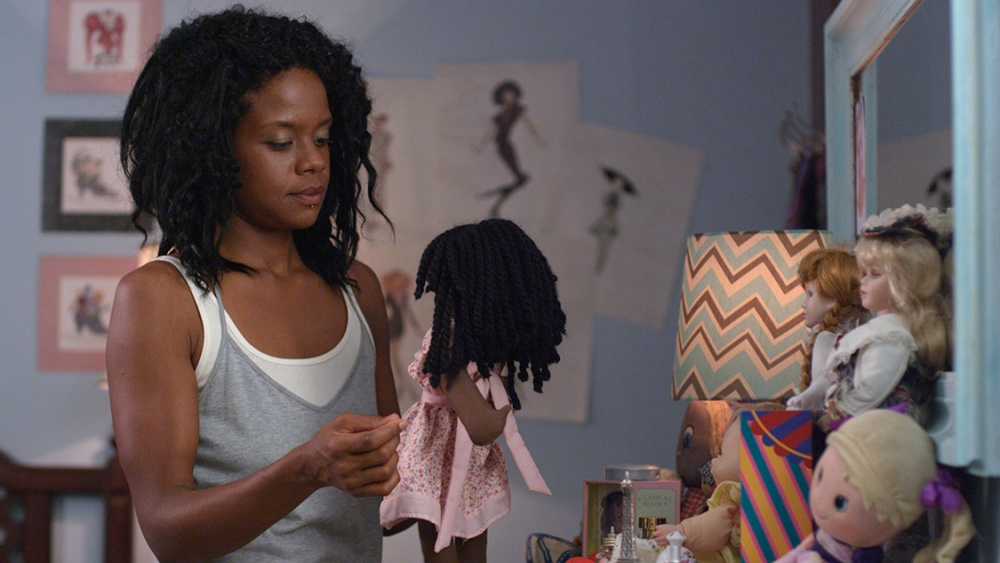
A woman of color filmmaker competition will also take place and feature the panel discussion and the screening of, No Shade, which explores the hardships of the modern dating world through the dysmorphic presence of colorism as well as the fetishization of Black women in a way that organizers say is tactful and honest.
Jade is both effervescent and relatable as a 28-year old single woman of dark complexion who just “can’t seem to get it right,” let alone liberate herself from her unrequited love for the repressive and colorist Danny.
The world through her eyes is both a quirky and tumultuous obstacle course of courtship catastrophes and heart-gripping silences. Despite Jade’s line up of Tinder flops and her challenges in the friend-zone, she is easy to engage with an adorable, according to the film’s notes.
Jade’s charisma, quirk, beauty, vulnerability, and perseverance throughout the film make her a thoughtful heroine with a twist of comedic spunk in the end.
“From its inception, the festival has always showcased great films that explore the Black British experience,” Barroso-Spech said.