

The Centers for Disease Control and Prevention (CDC)’s Hear Her campaign raises awareness of potentially life-threatening warning signs during and after pregnancy and encourages the people supporting pregnant and postpartum people to really listen when they express concerns.
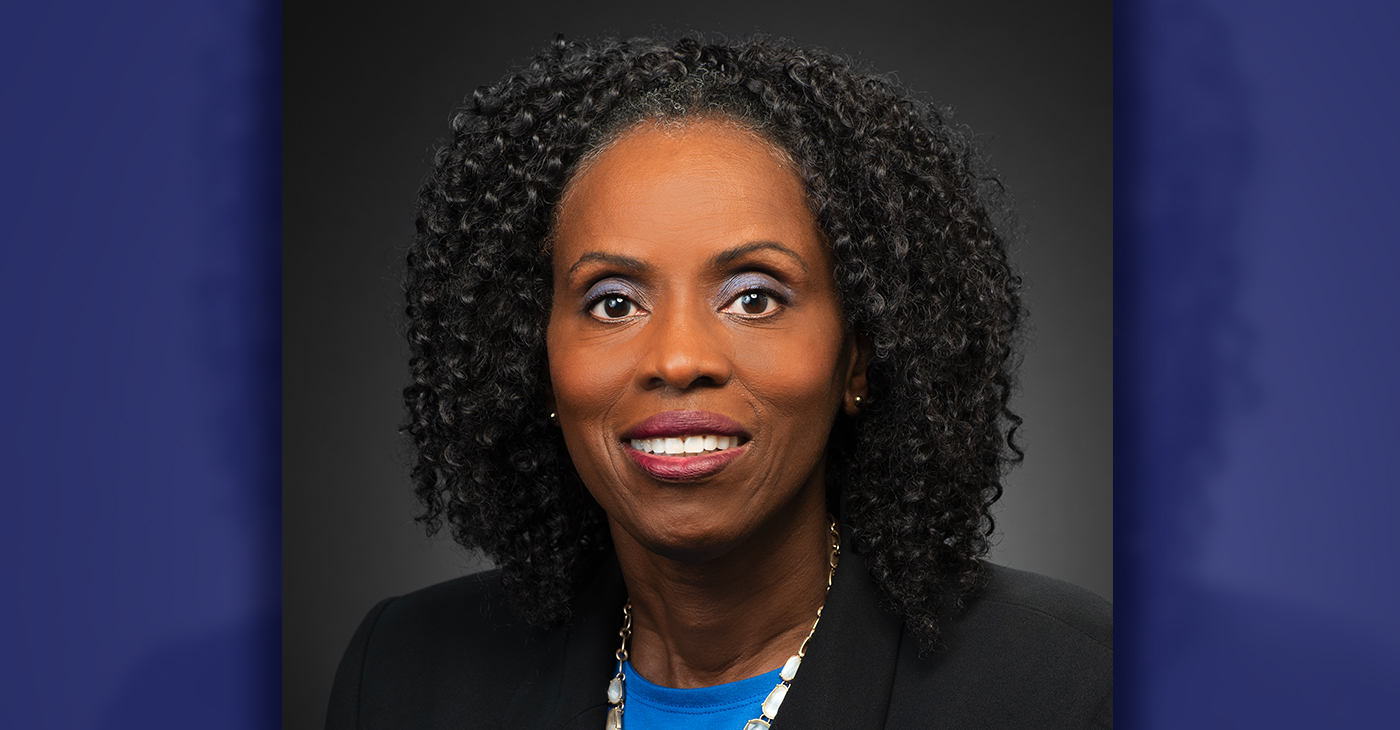
By Wanda Barfield, MD, MPH, Director of the Division of Reproductive Health, CDC
Valencia, one of the women featured in the campaign, talked about her experience with a pregnancy-related complication. During her first pregnancy, Valencia struggled with headaches and dizziness. When she reported worsening symptoms, she felt like no one took her seriously. I didn’t know who to talk to and wasn’t sure how to speak up for myself,” she recalled. It was her primary care provider who finally helped her get the care she needed.
Valencia is among the many people who face serious health complications during and after pregnancy. CDC launched Hear Her to raise awareness of the potentially life-threatening warning signs during and in the year after pregnancy.
Too many people die from pregnancy-related complications each year. Tragically, four in five of these deaths could be prevented. There are considerable racial disparities when it comes to pregnancy-related deaths. Black and American Indian/Alaska Native women are two to three times more likely to die of pregnancy-related causes than white women.
A number of factors contribute to the maternal mortality rate among Black and American Indian/Alaska Native women. Structural racism and implicit bias can play a role in the disparity. For example, delayed prenatal care initiation is associated with personal experiences of bias and racism. Protective factors also do not seem to convey the same risk reduction for some minority populations. For example, we see persistent disparities in maternal mortality, regardless of educational attainment. In addition, access to quality care can be an issue. For example, it has been found that hospitals that disproportionately cared for Black women at delivery had increased poor outcomes for both Black and white women in those hospitals.
To address racial and ethnic disparities in maternal mortality, CDC supports the work of Maternal Mortality Review Committees around the country to get quality data about the circumstances surrounding a pregnancy-related death, including the documentation of bias, discrimination, and racism. These data are used by committees to make recommendations to prevent future pregnancy-related deaths and are also used by CDC to better understand maternal mortality across the nation.
A better understanding of pregnancy-related deaths can lead to identifying the initiatives that will have the most impact. Standardized quality care can ensure the right care in the right places at the right time for women. And high-quality care doesn’t end at delivery. It should extend into the postpartum period up to a year after delivery, when about a third of pregnancy-related deaths occur.
Many pregnant and postpartum people may feel ignored or dismissed when sharing their concerns, which may make them hesitant to ask questions or speak up. Not fully listening may cause healthcare providers to miss warning signs that require urgent care. Hear Her encourages partners, friends, family, and healthcare professionals to really listen when a person says something doesn’t feel right. Acting quickly could save their life.
For more information, visit cdc.gov/HearHer.
Wanda Barfield, MD, MPH, FAAP, is the Director of the Division of Reproductive Health (DRH) within the National Center for Chronic Disease Prevention and Health Promotion (NCCDPHP) at the Centers for Disease Control and Prevention (CDC).