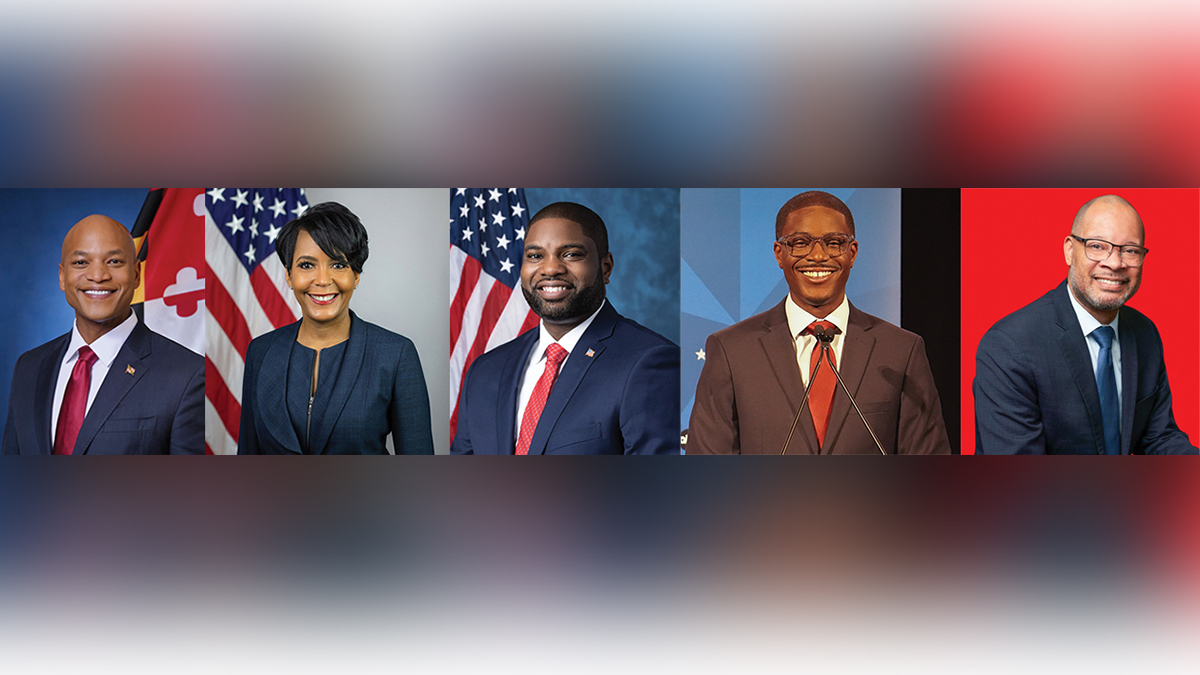

Texas Democratic Rep. Jasmine Crockett’s words mirrored Shirley Chisholm’s groundbreaking observation decades ago: “Of the two handicaps, being Black is much less of a handicap than being a female.” Crockett’s reflection on Donald Trump’s resounding victory over Vice President Kamala Harris pointed to what many saw as a dissonance between the candidate and the country’s decision. Crockett highlighted Harris’s qualifications, intelligence, and kindness compared to Trump, yet acknowledged the public’s apparent preference for fear over progress. “As I said many times on the trail, this election was more about us and what it is that we wanted for our future—and, well, PROJECT 2025 is loading,” she said, referencing the former president’s sweeping agenda.
For many African Americans, Trump’s victory felt like an isolating moment, a reaffirmation of what they’ve long suspected: their allies were never permanent. Bishop Talbert Swan put it bluntly on social media: “There is no Black/Brown coalition. Latinos voted on the side of White supremacy. We’re in this by ourselves.” Swan’s words echo the sentiments of many Black voters who watched as Latino support for Trump surged, even as his platform targeted marginalized communities. Meanwhile, Black voters were again held to their high standard of loyalty to the Democratic Party, only to feel abandoned as alliances dissolved and communities prioritized their own survival.
“Black people are tired,” said journalist Kathia Woods on Let It Be Known, the Black Press of America’s daily news broadcast. This sentiment of exhaustion has been echoed across social media, as journalist Anthony Tilghman tweeted an arresting graphic illustrating Black Americans’ sense of isolation: “This presidential race highlights the significant influence of race on the election outcome,” Tilghman wrote. “A majority of White women and men expressed reluctance towards having another Black president in office, regardless of the individual’s qualifications.”
Public figures sounded their own alarms on the social media landscape. Cardi B took to Instagram, bluntly posting: “I hate ya’ll bad,” in a pointed message to Trump voters. Justice correspondent Elie Mystal offered a sobering perspective: “Black people are relatively well prepared for what’s about to happen because it’s happened to us before. America has done this to us before.”
The stakes stretch further than any one individual’s leadership, with significant consequences predicted for American institutions. Actor Wendell Pierce, reflecting on Trump’s influence on the Supreme Court, tweeted: “The Supreme Court will be changed for a generation. I’ll never see a moderate court again in my lifetime.” For others, Yvette Nicole Brown captured the sentiment that the rest of the country may now begin to feel what Black communities have long endured. “The rest of you are about to be shocked by how America treats you when it doesn’t care about you. The find out phase has begun.”
Across demographics, voting trends highlighted a widening rift as each non-Black group increased their support for Trump. “When we say Black people have no permanent allies, we mean Black people have no permanent allies,” noted one commenter, underscoring a stark double standard: the willingness to elect a convicted felon, with seemingly little regard for qualifications or integrity.
The sense of betrayal was palpable in many reflections. Elie Mystal captured this frustration, stating, “Watching Latinos chase model minority status has never sat well with Black people, but this is a wound the Black community won’t soon forget.” The solidarity once hoped for among marginalized groups seems distant, fractured along lines of race, ideology, and self-interest.
Meanwhile, University of South Carolina Professor Sueanna Smith weighed in on the structural underpinnings of this political moment: “There is a reason why educated people vote blue. What we’re seeing is the uneducated population of America holding the rest of the country hostage. This is why there’s such a push to weaken education, ban books, and outlaw the teaching of Black history by the Republican Party.”
As Mystal aptly said: “One thing I do worry about, is that the ‘solidarity’ between ‘people of color’ has been significantly damaged. Black people have learned that all we have is each other.”