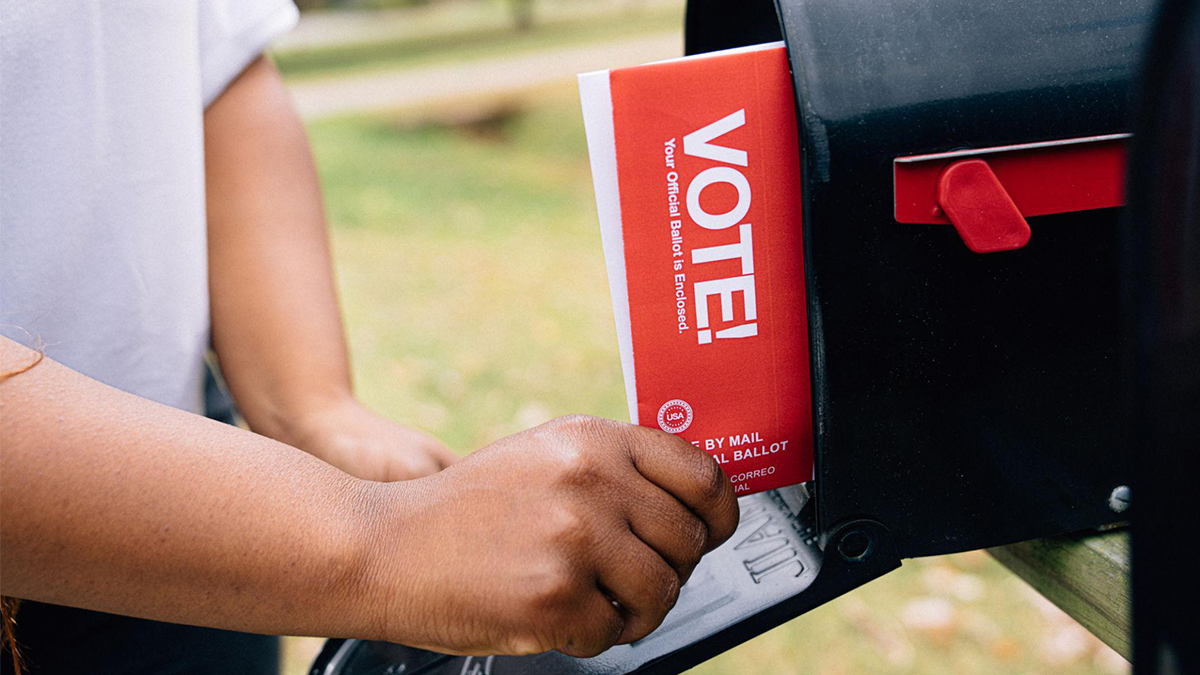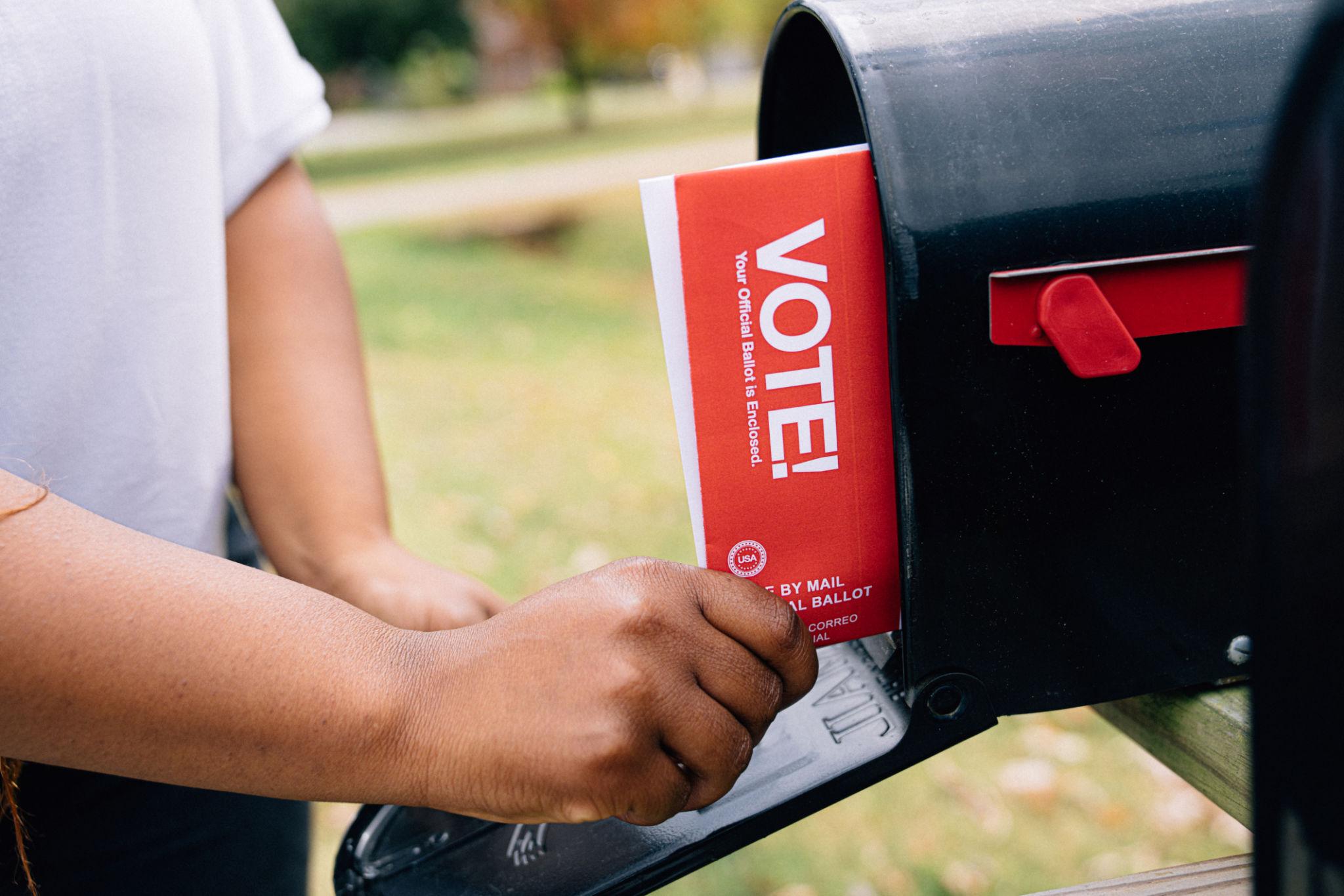
WASHINGTON, D.C. — A growing coalition of civil rights organizations, state officials, and political leaders is mounting a broad legal challenge against a recent executive order issued by President Donald Trump targeting mail-in voting, setting up what is quickly becoming a major national battle over election authority and access to the ballot.
What began as a single lawsuit filed April 3 by Common Cause, Black Voters Matter, the Lawyers’ Committee for Civil Rights Under Law, and the NAACP has rapidly expanded into a multi-front legal fight. Additional lawsuits have since been filed by other voting rights groups, Democratic leaders, and a coalition of more than 20 state attorneys general, all seeking to block the order before it can be implemented.
The lawsuits argue that the executive order represents an unprecedented attempt by a president to exert federal control over election procedures traditionally governed by states and Congress. At the center of the dispute is the constitutional question of who has authority over elections—a debate now playing out in multiple federal courts.
“Mail-in voting is so safe that even the president uses it when he votes,” said Virginia Kase Solomón, president/CEO of Common Cause. “This is yet another attempt to nationalize elections so he can pick and choose who gets to vote. We firmly reject any president setting election law, especially in a way that threatens access to the ballot.”
The executive order goes beyond general election guidance, directing the creation of a federal voter eligibility system and instructing federal agencies to play a more active role in verifying voter information. It also outlines new requirements tied to the handling and delivery of mail-in ballots, potentially involving the U.S. Postal Service in determining which ballots are processed.
Critics say those provisions could disrupt existing state-run election systems and create confusion among voters. They warn that reliance on federal databases could lead to inaccuracies, potentially disenfranchising millions of eligible voters, including seniors, military personnel, and rural residents who rely heavily on absentee voting.
Cliff Albright, co-founder of Black Voters Matter, described the order as a direct threat to voter participation ahead of the 2026 midterm elections.
“This executive order targeting mail-in ballots is unlawful and usurps congressional authority,” Albright said. “This is another blatant attempt to undermine the people’s power. We’re joining this fight to ensure that millions of Americans are not silenced.”
Legal experts involved in the case say the order raises serious constitutional concerns, particularly regarding the separation of powers. Shaylyn Cochran of the Lawyers’ Committee for Civil Rights Under Law said the directive could override state election laws and create barriers for voters.
“If left to stand, this executive order would upend state voting procedures and threaten to shut out a significant number of Black voters from the political process,” Cochran said. “We are standing up for the rule of law and working to ensure that access to the ballot is protected.”
Derrick Johnson, president/CEO of the NAACP, emphasized the long history and broad use of mail-in voting across the United States.
“Americans in every corner of our country (rural and urban, Black and White) have participated in mail-in voting for decades without issue,” Johnson said. “This executive order is intended to sow confusion and discourage voter participation. We will continue to turn to the courts to ensure that every eligible voter can have a voice.”
State attorneys general involved in the legal challenges argue that the order interferes with their constitutional authority to administer elections and could force states to alter systems that have been in place for years. Some have raised concerns that the order could tie federal funding to compliance with new election procedures, increasing pressure on states to adopt federally directed changes.
The legal fight follows a similar executive order issued in March 2025 that was struck down in multiple courts, reinforcing limits on presidential authority in election administration. Plaintiffs in the current cases argue that this latest effort represents a continuation of those earlier attempts.
As the lawsuits move forward, courts are expected to consider requests for preliminary injunctions that could temporarily block the order while litigation continues. Given the number of cases and the constitutional questions involved, legal experts say the issue could ultimately reach higher courts.
With the 2026 midterm elections approaching, the outcome of these legal challenges could have significant implications for how Americans vote and how elections are administered nationwide. For the organizations involved, the fight is not only about one executive order, but about preserving the balance of power in election oversight and ensuring that access to the ballot remains protected.