


WASHINGTON, D.C. — More than 6,200 children have been detained by U.S. immigration authorities since the start of President Donald Trump’s second term, marking a dramatic increase in the use of family detention and reigniting national debate over immigration enforcement and the treatment of minors.
The figures, compiled from federal data and analyzed by The Marshall Project, show a more than tenfold increase in the number of children held in custody compared to the final years of the previous administration. By the end of President Joe Biden’s term, an average of 24 children were in federal custody on any given day. That number has since climbed to an average of 226 children daily, with peaks exceeding 500 earlier this year.
Advocates for immigrant families say the rise reflects a renewed reliance on detention policies that had previously been scaled back, particularly the use of facilities that hold children alongside their parents for extended periods.
“Every American should be shocked that we’re incarcerating thousands of children,” said Leecia Welch, chief legal counsel at Children’s Rights, an organization that provides legal advocacy for minors in detention. “It just adds up to an incredible amount of trauma.”
Although the number of detained children declined to fewer than 90 by mid-March, attorneys and advocates say conditions inside detention facilities remain deeply concerning. Reports from families and legal filings describe inadequate medical care, limited access to education and poor living conditions.
Much of the attention has centered on facilities such as the South Texas Family Residential Center in Dilley, Texas, where a significant portion of detained children have been housed. Families held there have reported issues ranging from contaminated food and water to delays in medical treatment.
In court filings, advocates alleged that children in detention have experienced ongoing hunger, illness and emotional distress. Some parents reported finding mold or foreign objects in meals, while others described children suffering from anxiety, regression in behavior and, in some cases, self-harm.
Medical experts warn that even short periods in detention can have lasting consequences. Organizations including the American Academy of Pediatrics have stated that confinement can lead to long-term mental health challenges, particularly for young children.
“Eliminating trauma for children in these circumstances should be a national priority,” said Elora Mukherjee, director of the Immigrants’ Rights Clinic at Columbia Law School, who has represented dozens of families in detention. “Instead, we are seeing prolonged detention that continues to harm vulnerable families.”
Federal guidelines governing the detention of minors are rooted in the Flores Settlement Agreement, a 1997 court ruling that limits how long children can be held (generally to 20 days) and establishes minimum standards for their care.
However, recent data indicates that more than 1,600 children have been held longer than that limit since the start of Trump’s second term.
The administration has signaled its intention to expand detention capacity even further. In its latest budget proposal to Congress, officials requested funding for up to 30,000 family detention beds, suggesting a long-term commitment to the policy.
Supporters of stricter immigration enforcement argue that detention is a necessary tool for managing border security and ensuring compliance with immigration laws. In a statement, an Immigration and Customs Enforcement spokesperson said that individuals have the option to voluntarily leave the country through a federal program offering financial assistance for self-deportation.
Immigration attorneys, however, dispute that characterization, arguing that many families face limited options and may not fully understand the consequences of such programs.
The impact of detention often extends beyond the time families spend in custody. More than 3,600 children have been deported since the start of the administration, many with little advance notice, according to the data. Families interviewed by researchers described being forced to leave behind homes, belongings and, in some cases, critical medical supplies.
Others have been released within the United States while their immigration cases proceed, but even those outcomes present challenges. Advocates say families are sometimes transported far from their original communities and left to navigate travel, housing and legal obligations with limited resources.
“They are exhausted,” said Rev. Mike Smith, who operates a shelter in Laredo, Texas, that receives families after their release from detention. “You’ll see tears later, once they realize they’re safe.”
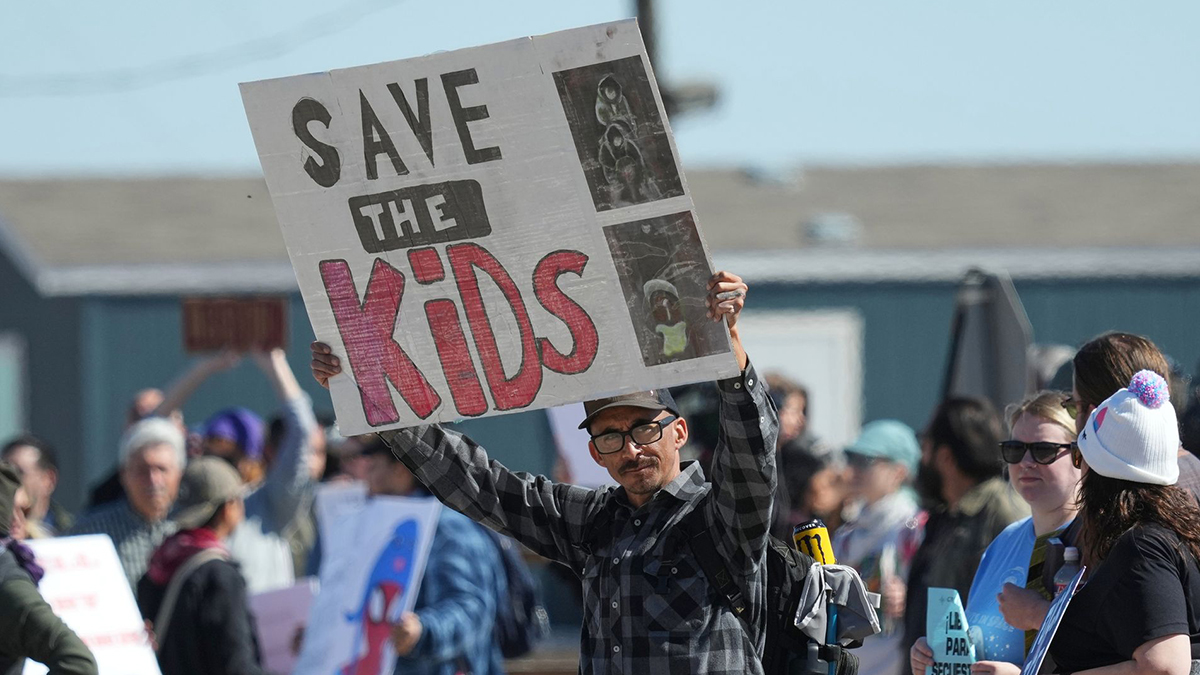
The issue has drawn increasing national attention in recent months. Lawmakers, including Rep. Joaquin Castro, have visited detention facilities, while advocacy groups and public figures have called for reforms or the closure of certain sites.
At the center of the legal debate is the future of the Flores agreement. The federal government is currently seeking to terminate the decades-old settlement, a move that could remove key protections for detained children.
“If those protections go away, the consequences could be severe,” Mukherjee said. “Children could be held for much longer periods, potentially in worse conditions.”
As the legal battles continue, the number of children affected (and the conditions they face) remain under scrutiny, raising broader questions about immigration policy, human rights and the long-term impact on families caught in the system.
(This article is based in part on reporting originally published by The Marshall Project.)