by Dr. Benjamin F. Chavis Jr.
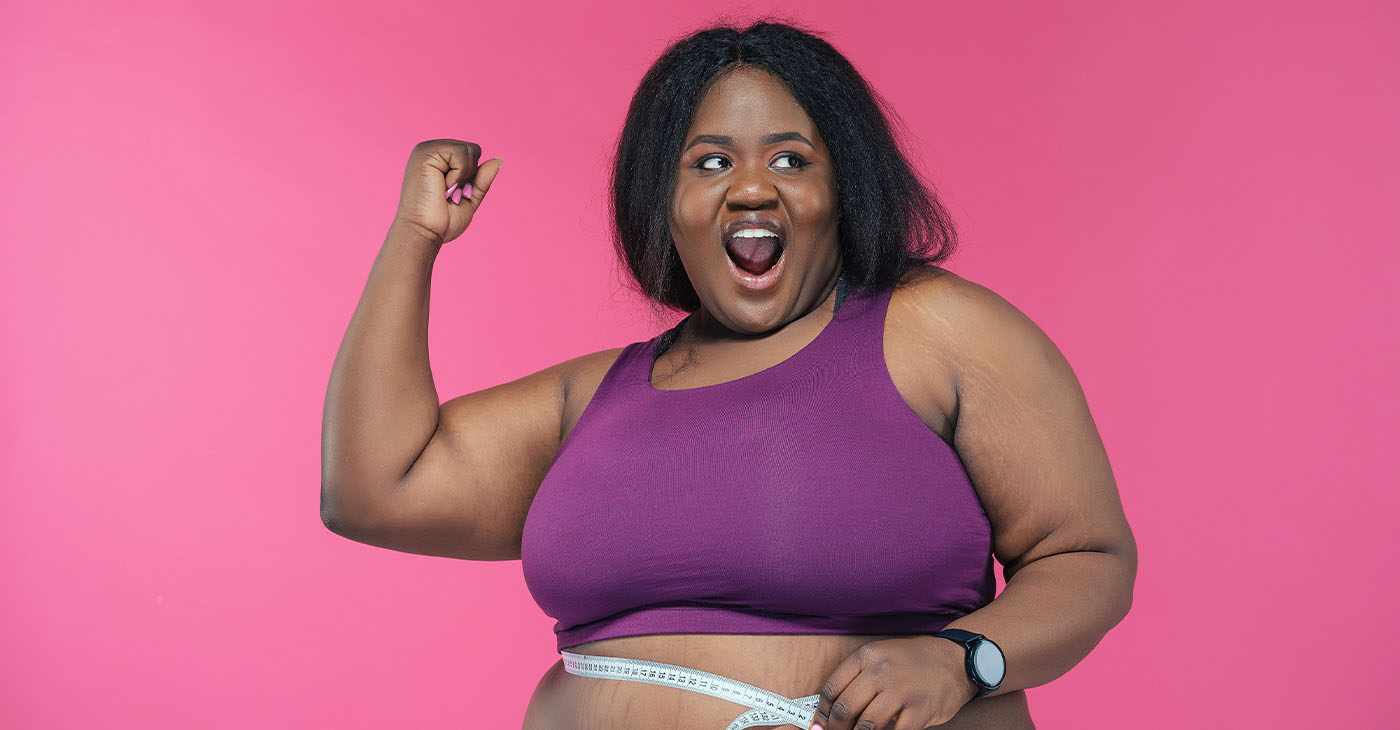
Whether we accept it or not, obesity continues to be a complex, chronic disease that kills thousands of Black Americans every year. Indeed, nearly half of Black Americans live with obesity, so we cannot afford to ignore this national emergency any longer.

The public discourse around weight loss that has taken over recent headlines has entirely missed the mark. Our mainstream media, social media, and content providers are all either dissecting whether a movie star used weight loss medication or analyzing whether these medications are safe to take, even though they’re FDA approved.
The fact of the matter is that we are squandering a critical moment to focus on the deadly disease of obesity, and missing the opportunity to save thousands of lives, particularly Black lives. Within the next seven years, researchers anticipate that half of American adults will live with obesity. This is a personal health burden and a public health crisis, and we should talk about it as such.
Turning the narrative around on this disease, and on Black wellness overall, is critical to stemming obesity’s growth. The National Newspaper Publishers Association (NNPA), a trade association of more than 250 Black-owned community newspapers and media companies from across the United States, has consistently been the voice of the Black community since its founding 83 years ago.
I serve as the organization’s president/CEO and right now, we’re calling on our members to elevate the conversation on the obesity crisis to one that clarifies the facts, shares reliable resources, and advocates for impactful changes for the benefit of our community’s health and longevity. We can address obesity in a way that gives hope, because this is not a hopeless fight.
To start, it’s vital that we correct the misinformation. Too often, people don’t know that obesity is a chronic disease and a long-term illness, with multiple contributing factors outside of a person’s control, e.g.: environmental circumstances, inherently racist healthcare programs, poverty, and genetics. In cities across the country, like Washington, D.C., where nearly half the population is Black, food deserts and food swamps have become the norm in Black communities. This makes it nearly impossible for many Black residents to eat well even if they wanted to. That is to say, many people cannot access one of the key tools for combating obesity (a healthy diet) because of factors outside of their control.
It’s also important to note that obesity is a complex disease that may require more than diet and exercise. Our understanding of the disease has changed drastically over the years thanks to scientific research and advances. Where diet and exercise are not enough, some people may need the extra support of anti-obesity medications to fight the disease. Just as many of us take medications to manage hypertension, diabetes, or cholesterol (conditions you may have inherited) medications for chronic weight management may be needed as well.
Further, combating severe obesity may even require bariatric surgery. Chronic diseases are treated with a range of treatment options, and obesity is no different.
To be clear, the perception that people who live with obesity just need to take better care of themselves is false and dangerous, as it prevents thousands from receiving or seeking the care they need. Societal weight biases strain the mental health of people living with obesity, prevent people from living their healthiest lives, and contribute to our country’s stagnant healthcare policies that exacerbate obesity’s disproportionate impact on Black communities.
From less access to quality healthcare, to the exclusion of anti-obesity medications from Medicare, and most Medicaid and general insurance coverage, our healthcare systems under-prioritizes the well-being of Black Americans. And we’ve learned from history that until we make our voices heard, this crisis will continue to be brushed aside.
Dr. Fatima Cody Stanford, an expert on obesity, noted that we have been living through three pandemics: COVID-19, racism, and obesity. We must prioritize combating the obesity pandemic with the same energy we use to combat COVID-19 and racial injustice. Our lives depend on it.
(Dr. Benjamin F. Chavis, Jr. is president/CEO of the NNPA, executive producer/host of The Chavis Chronicles on PBS TV stations throughout the United States, entrepreneur, global business and civil rights advocate. He can be reached at <dr.bchavis@nnpa.org>.