municipally owned grocery stores as part of his affordability agenda.
New York City officials have unveiled plans for a municipally owned grocery store in East Harlem, a move leaders say could directly impact affordability and food access in communities that have long faced economic disparities—including African American households.
The proposed store will be located at La Marqueta, a historic marketplace beneath the elevated Park Avenue tracks that has served generations of working-class New Yorkers. The project, estimated to cost about $30 million, is expected to open next year and will occupy currently vacant space within the city-owned facility. By operating rent-free, city leaders say the store will reduce overhead costs and pass savings directly to residents.
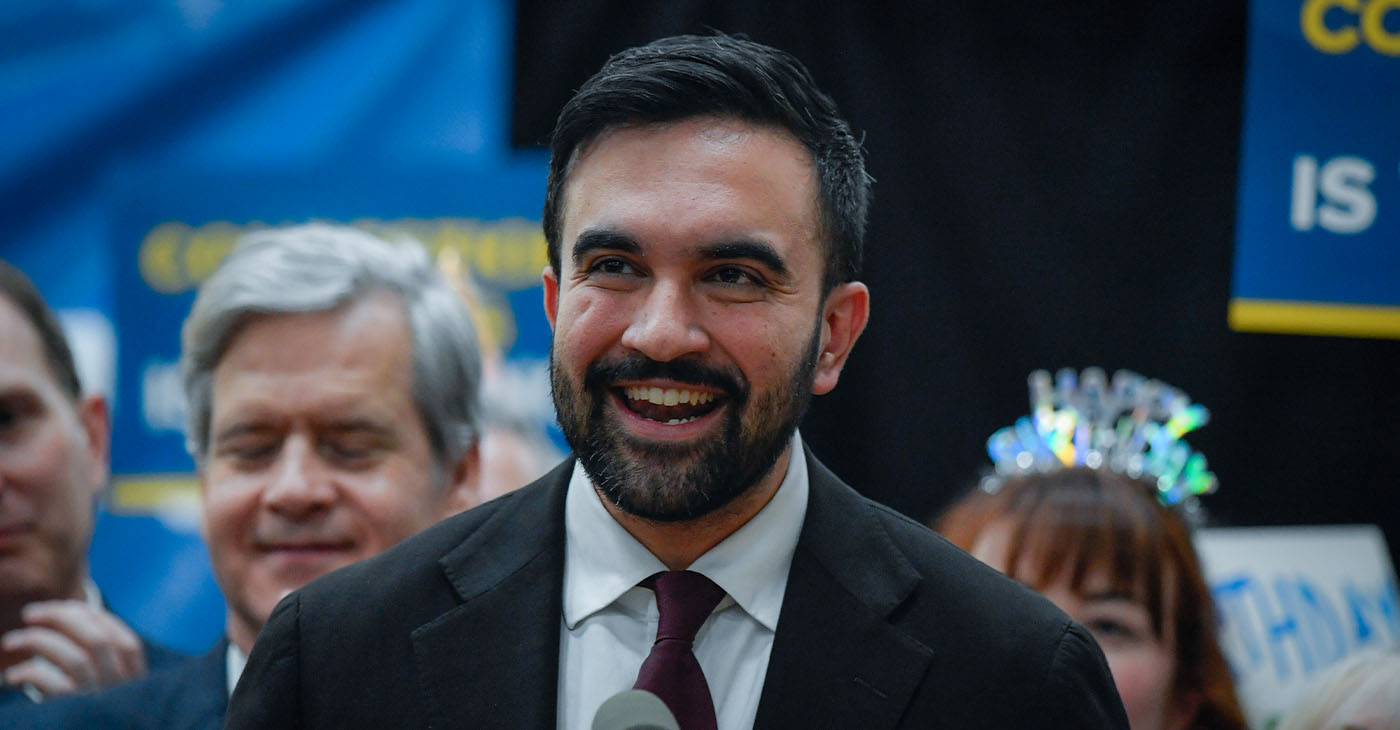
Mayor Zohran Mamdani introduced the initiative as part of his broader effort to address rising living expenses, particularly the cost of food, which has become an increasing burden for many Black families already navigating wage gaps and inflation.
“During our campaign, we promised New Yorkers that we would create a network of five city-owned grocery stores,” Mamdani said. “Today, we make good on that promise.”
For many African American communities (both in New York and across the country) access to affordable, quality food has been a persistent issue. Areas like East Harlem have historically been impacted by food deserts and limited grocery options, often forcing residents to rely on higher-priced convenience stores or travel long distances for fresh produce and staples.
City officials point to data showing grocery prices in New York City rose nearly 66% between 2013 and 2023, far outpacing national averages. That increase has disproportionately affected low- and moderate-income households, where food costs take up a larger share of monthly budgets.
Mamdani said the city-run model aims to offer relief by lowering prices on essential goods such as eggs, milk and bread while also improving working conditions for employees.
“We’re going to make it easier for New Yorkers to put food on the table,” he said.
Advocates say the plan could represent a shift in how local governments address food insecurity: an issue that continues to affect African American communities at higher rates due to systemic inequalities, including income disparities, access to transportation and historic disinvestment in predominantly Black neighborhoods.
At the same time, the proposal is drawing scrutiny over its cost. The East Harlem store alone is projected to use nearly half of the $70 million budget initially outlined for the full five-store program, which aims to establish one municipally owned grocery store in each borough by 2029.
Despite those concerns, supporters argue that the long-term benefits (including stabilizing food prices and reinvesting in underserved communities) could outweigh the upfront investment.
The announcement also drew national attention, with U.S. Sen. Bernie Sanders making an appearance in support of the mayor’s broader economic agenda. Sanders has long advocated for policies aimed at reducing income inequality and improving access to essential services.
Community leaders say the success of the project will depend on execution and whether it truly meets the needs of residents. For many African American families, the issue goes beyond price. It includes access to healthy options, culturally relevant foods and stores that are rooted in and responsive to the community.
If successful, the East Harlem location could serve as a model for other cities grappling with similar challenges, including those in the South where food deserts remain widespread in Black communities.
As cities nationwide continue to search for solutions to rising costs and economic inequality, initiatives like this one highlight a growing recognition that access to affordable food is not just a convenience—but a critical component of community health and stability.