From Black Wall Street to today’s entrepreneurs, August recognizes generations of Black Americans building businesses despite barriers to capital, opportunity, and ownership
Every August, National Black Business Month puts a spotlight on Black-owned businesses and the entrepreneurs behind them—but the observance represents a history that stretches back centuries.
Established in 2004 by engineer and entrepreneur Frederick E. Jordan and historian and publisher John William Templeton, Black Business Month was created to bring greater attention to Black entrepreneurship and the policies affecting Black-owned businesses.

More than two decades later, the month serves both as a celebration and a reminder of the role business ownership has played in the pursuit of economic independence in Black America.
That history began long before the modern civil rights era.
As far back as the late 1700s, free and enslaved Black Americans operated businesses and worked as skilled tradespeople, including barbers, shoemakers, merchants and craftspeople. Following emancipation, entrepreneurship expanded as newly freed Black Americans established businesses in communities across the country.
By the early 20th century, Black entrepreneurship was flourishing.
Booker T. Washington founded the National Negro Business League in 1900 to promote Black business development and economic self-reliance. The organization eventually expanded to hundreds of chapters across the country.
Black-owned banks, insurance companies, newspapers, funeral homes, retail stores, restaurants and professional practices became anchors of Black communities.
The period between 1900 and 1930 has been described by historians as the ‘Golden Age of Black Business.’
Some of the most remarkable examples emerged in thriving Black business districts.
Tulsa, Oklahoma’s Greenwood District became so prosperous that it earned the nickname ‘Black Wall Street.’ The community included hundreds of Black-owned enterprises, including hotels, theaters, newspapers and the offices of Black doctors and attorneys.
That prosperity was shattered in 1921 when a White mob attacked Greenwood, killing residents and burning homes and businesses across approximately 35 city blocks in what became known as the Tulsa Race Massacre.
Other Black economic centers faced their own destruction or decline.
Rosewood, Florida, a predominantly Black community with businesses, churches, a school and other institutions, was destroyed by racial violence in 1923.
Atlanta’s historic Sweet Auburn district became home to Black-owned banks, newspapers and businesses and was once described as one of the most prosperous Black streets in America. But redlining, discriminatory policies and highway construction eventually contributed to the district’s economic decline.
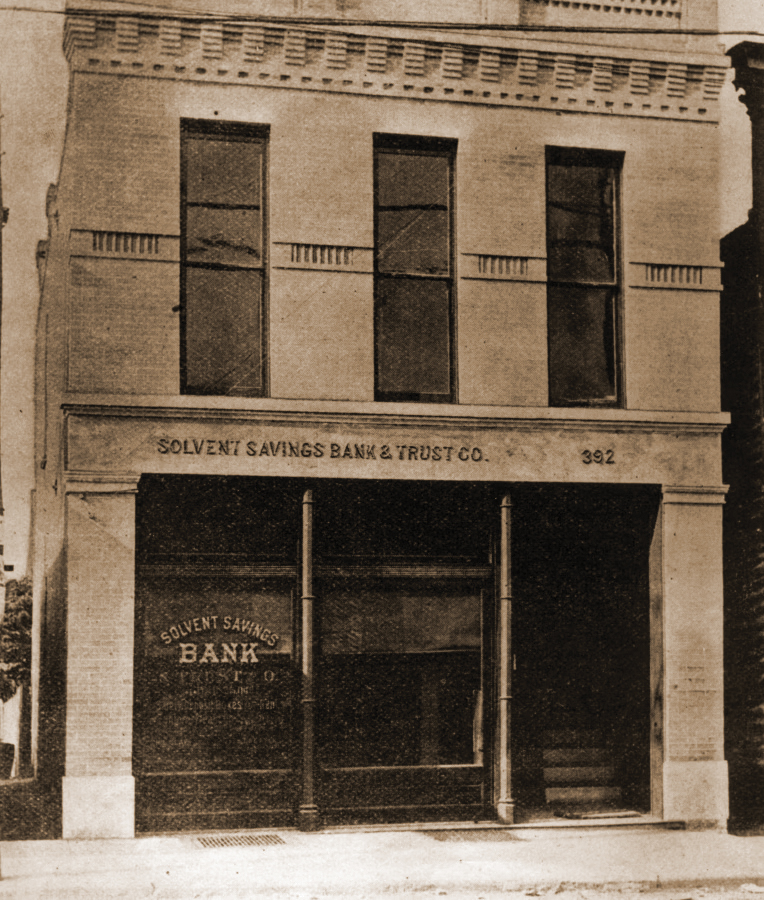
In Memphis, businessman Robert Reed Church emerged from slavery to become one of the South’s first Black millionaires. He built his fortune largely through real estate and later founded Solvent Savings Bank and Trust, providing Black residents access to financing at a time when traditional financial institutions frequently denied them.
Black women were building businesses as well.
Madam C.J. Walker created a national hair-care enterprise in the early 1900s and became one of America’s most celebrated Black entrepreneurs. Her success demonstrated how businesses created specifically to serve Black consumers could grow into major enterprises.
Black newspapers also became businesses and community institutions, with publications such as the Chicago Defender, Pittsburgh Courier and Los Angeles Sentinel influencing politics, business and Black life nationally.
That entrepreneurial tradition continues today.
Technology and social media have given Black entrepreneurs opportunities to reach consumers far beyond their neighborhoods, while Black-owned companies operate across industries ranging from technology and financial services to construction, beauty, food, entertainment, professional services and media.
Yet many of the challenges that inspired Black Business Month remain.
Access to capital, banking relationships, contracts and opportunities to scale businesses continue to shape the prospects of Black entrepreneurs.
That is why supporters say Black Business Month should involve more than recognition.
Consumers can intentionally patronize Black-owned businesses. Corporations and government agencies can expand opportunities for Black-owned vendors and contractors. Established business owners can mentor emerging entrepreneurs. Financial institutions can increase access to capital.
The idea echoes a concept that has existed in Black America for generations: the ‘double-duty dollar’ is the belief that money spent with businesses serving and employing Black communities can purchase a product or service while also strengthening the community economically.
Black Business Month celebrates entrepreneurs who have built companies despite barriers that often stood in their way.
But its larger message extends beyond August.
From Greenwood and Sweet Auburn to the Black-owned businesses operating today, the history of Black entrepreneurship is ultimately a story of ownership, resilience and the continuing pursuit of economic opportunity.