LAS VEGAS, Nev. — Nearly three decades after the killing of rap legend Tupac Shakur, the only man ever charged in connection with his death is going on trial in Las Vegas.
Jury selection began Aug. 10 in the murder trial of Duane ‘Keffe D’ Davis, 63, a former leader of the South Side Compton Crips. Davis has pleaded not guilty to a murder charge stemming from the September 1996 drive-by shooting that killed Shakur.

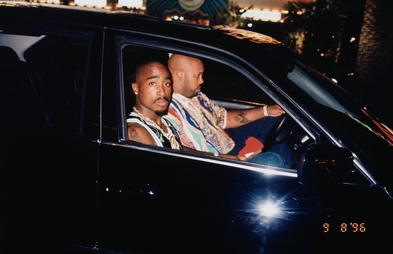
Shakur, one of the most influential artists in hip-hop history, was 25 when he was shot while riding in a vehicle driven by then-Death Row Records chief Marion ‘Suge’ Knight near the Las Vegas Strip. Shakur was struck multiple times and died six days later on Sept. 13, 1996.
The killing became one of music’s most infamous unsolved cases.
Prosecutors do not allege that Davis fired the shots. Instead, they contend that he helped orchestrate the killing and provided the gun used in the attack following a confrontation earlier that night involving Shakur, members of his entourage and Davis’ nephew, Orlando Anderson.
A central part of the prosecution’s case is expected to come from Davis’ own words. Over the years, Davis discussed the shooting in interviews and described his involvement in the 2019 memoir Compton Street Legend, including acknowledging that he was inside the white Cadillac from which the shots were fired.
Davis now disputes those accounts. His defense argues that statements in the memoir and media appearances were exaggerated or fabricated for entertainment and financial gain. Davis has also denied being in Las Vegas on the night Shakur was shot.
The long-awaited trial is expected to feature a lengthy witness list that includes people connected to Shakur, the investigation and the 1990s hip-hop world. Knight, who was wounded in the 1996 shooting and is currently serving a prison sentence in California, is among those listed as a potential witness, although he has publicly said he does not want to testify.
Davis was arrested in September 2023, more than 27 years after Shakur’s death.
The trial is expected to last four to six weeks. If convicted, Davis could spend the rest of his life in prison.