Children hit particularly hard as new work rules and state costs reshape the nation’s largest anti-hunger program
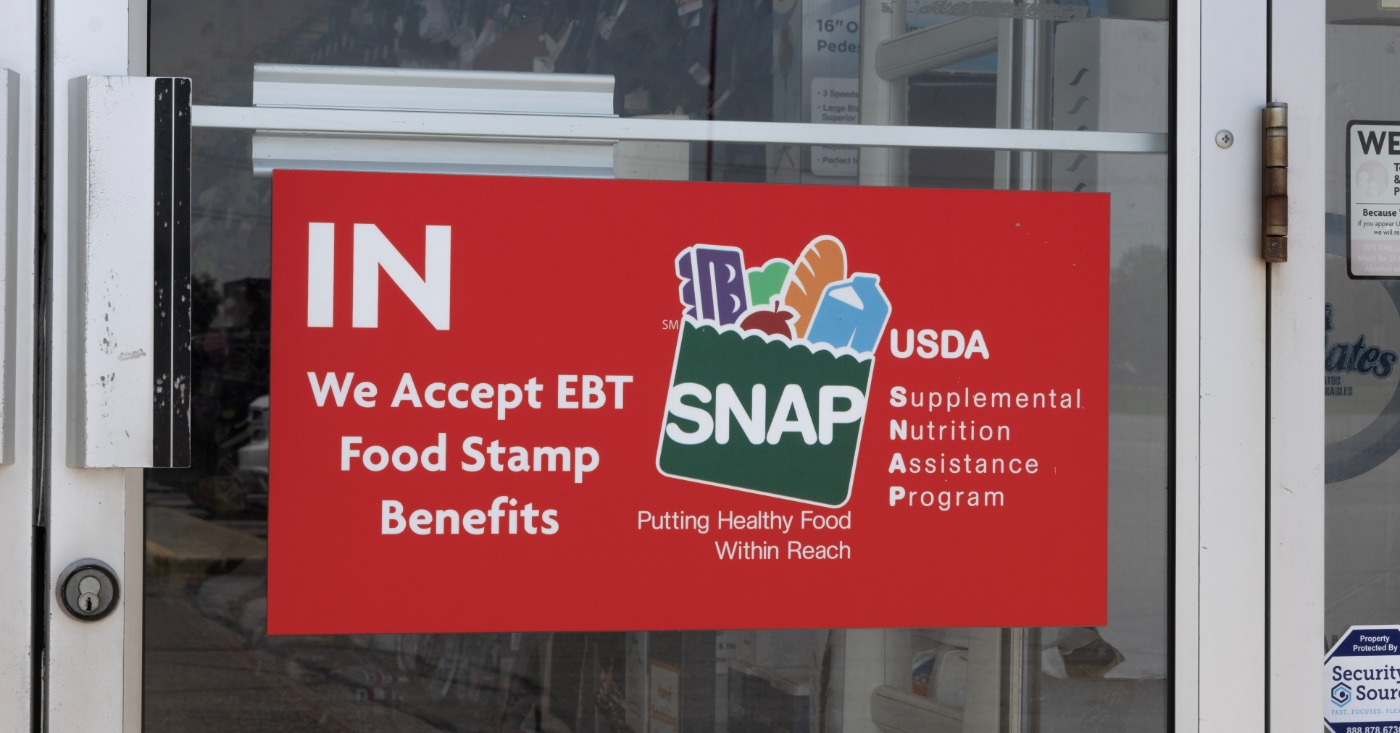
Millions of Americans have disappeared from the rolls of the nation’s largest food assistance program since sweeping changes to the Supplemental Nutrition Assistance Program, or SNAP, were signed into law last year. Advocates warn the impact could grow as additional provisions take effect.
SNAP participation fell by more than 4.5 million people, or about 11%, between July 2025 and April 2026, according to an analysis by the Center on Budget and Policy Priorities using federal and state data.

The decline has occurred in nearly every state and represents the sharpest drop in SNAP participation over such a short period in nearly three decades.
Children are among those being hit hardest.
In 22 states where child participation data were available, approximately 1.1 million fewer children were receiving SNAP than in July 2025. The Center estimates that the nationwide decline among children has likely surpassed 1.5 million.
The reductions follow passage of the ‘One Big Beautiful Bill Act,’ the Republican-backed tax and spending legislation signed by President Donald Trump on July 4, 2025.
The law made some of the most significant changes to SNAP in decades, including expanding work requirements to adults up to age 65 and to parents and caregivers whose children are 14 or older.
It also eliminated previous exemptions for veterans, people experiencing homelessness and former foster youth, while limiting states’ ability to waive work requirements in areas where jobs are scarce.
Under the expanded rules, many recipients must document at least 80 hours a month of work, education or qualifying activities to maintain benefits.
Supporters of tougher work requirements have argued that public assistance programs should encourage able-bodied adults to enter or remain in the workforce. But anti-hunger advocates contend the requirements often function as an administrative barrier, removing eligible people from assistance without significantly increasing employment.
The decline in SNAP enrollment is not easily explained by an improving labor market. National unemployment has remained around four percent since July 2025, according to federal labor data.
The impact is already dramatic in several states.
Arizona’s SNAP participation dropped nearly 48% through June, while Louisiana experienced a 21% decline. Texas reported approximately 652,000 fewer SNAP recipients by July (a 19% reduction) including more than 344,000 children.
And the changes are not over.
Beginning in 2027, most states will be required for the first time to pay between five and 15% of SNAP benefit costs, depending partly on their payment error rates. That could leave states responsible for hundreds of millions of dollars in additional annual expenses.
The Congressional Budget Office has estimated that the law will reduce federal SNAP spending by nearly $187 billion through 2034—the largest reduction in the program’s history.
Those projections have intensified concern among food banks, local governments and anti-hunger organizations about what happens if states respond to rising costs by further restricting access.
More than 200 mayors recently joined the U.S. Conference of Mayors in urging Congress to reverse the SNAP reductions, warning of a “deepening food security crisis.”
“SNAP remains the nation’s most effective and efficient anti-hunger program,” the mayors wrote. “It reduces poverty, supports local economies, and provides an automatic stabilizer during economic downturns.”
The Center on Budget and Policy Priorities cautions that the current numbers may represent only the beginning because some of the law’s largest changes had not been fully implemented when the latest nationwide data were collected.
For millions of families already struggling with the cost of groceries, housing and other necessities, the question now is not simply how many people have lost food assistance—but how many more could be next.
SNAP losses hit home
Tennessee is experiencing its own sharp decline in food assistance.
The Center on Budget and Policy Priorities reports that SNAP participation in Tennessee has fallen by more than 10% since July 2025, placing the state among those experiencing double-digit declines as sweeping changes to the federal program take effect.
The decline comes as Tennessee families continue to face higher grocery and household costs and as additional federal SNAP changes loom.
Tennessee had also planned to launch its Healthy SNAP Tennessee program July 31, which would have restricted SNAP purchases of certain foods and beverages. The Tennessee Department of Human Services says implementation was suspended following a June 20 federal court ruling.
With additional federal eligibility rules and funding changes still being implemented, the number of Tennesseans receiving food assistance could remain a critical issue in the months ahead.
(Sources: Center on Budget and Policy Priorities; Tennessee Department of Human Services)