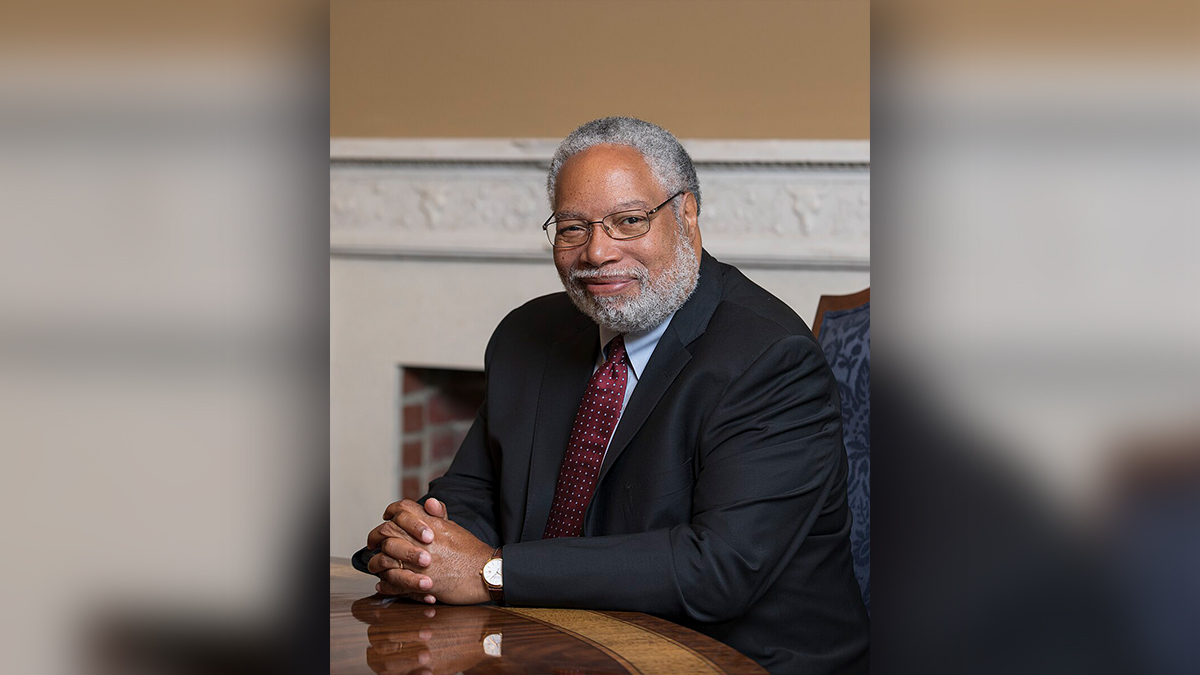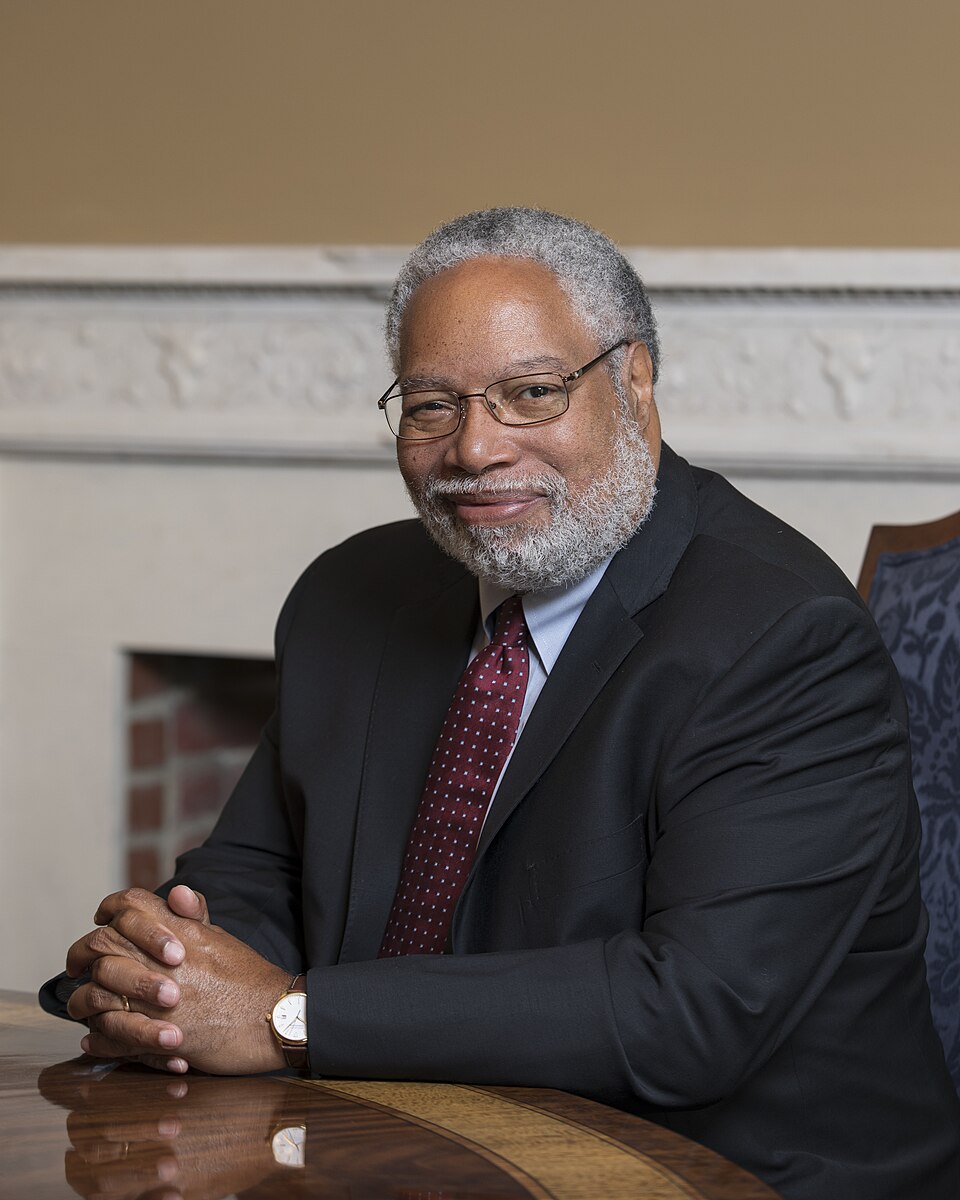
Lonnie G. Bunch III, the first African American to lead the Smithsonian Institution, has stepped down after seven years as secretary, ending a historic tenure as the nation’s sprawling museum system faces increasing pressure from the Trump administration over how it presents American history.
Bunch announced his retirement last week after 38 years with the Smithsonian. He became the institution’s 14th secretary in 2019, making history as both the first Black person and the first historian to hold the position.
His departure comes during an escalating dispute between the White House and the Smithsonian over exhibits addressing race, slavery, discrimination and other difficult chapters of the nation’s past.
In July, the White House released a 162-page report accusing the Smithsonian of “extreme political activism” and presenting what it called a “radical view” of American history. The review followed President Donald Trump’s 2025 executive order directing officials to remove what the administration considers improper ideology from Smithsonian institutions.
Bunch did not directly blame the administration for his departure in his official retirement announcement. But in a separate statement confirming his resignation, he said: “I have fought for as long as I can.”
He also made clear that his work defending the presentation of the nation’s full history would continue.
“It is time for my next chapter, a chapter that will allow me to continue to protect the integrity of the Smithsonian and to champion the importance of a history that illuminates and celebrates the complex story of our nation,” Bunch said.
Bunch has long argued that understanding the country requires confronting both its achievements and its failures. In a July interview, he said a nation must understand the “totality of its past” and its complexity in order to understand its greatness.
That philosophy was central to perhaps Bunch’s most significant accomplishment: creating the Smithsonian’s National Museum of African American History and Culture.
Bunch became the museum’s founding director in 2005 and oversaw its development from an idea into one of Washington’s most prominent cultural institutions. The museum opened on the National Mall in 2016 and documents centuries of Black life in America, from slavery and segregation to the civil rights movement and African American achievements in politics, culture, science, business and the arts.
His later elevation to secretary placed him in charge of the Smithsonian’s entire network of museums, research centers and the National Zoo.
The controversy surrounding the Smithsonian intensified after the administration began reviewing museum content. Smithsonian officials have defended the institution’s independence and scholarly standards.
National Museum of American History Director Anthea Hartig told Congress in July that the museum does not take sides in political debates and that its work is governed by standards of scholarship, accuracy, independence and nonpartisanship.
Bunch had similarly emphasized the Smithsonian’s independence from political influence. In a 2025 message to employees, he called that independence “paramount” and said the Smithsonian would remain a place welcoming all Americans and visitors from around the world.
The Smithsonian’s Board of Regents is expected to name an acting secretary while conducting a national search for Bunch’s successor. Board Chairman Franklin D. Raines praised Bunch for leadership that helped illuminate the nation’s past while expanding knowledge and creativity across the Smithsonian’s 21 museums and National Zoo.
Bunch leaves the Smithsonian with the debate over American history that defined the final months of his tenure far from settled.