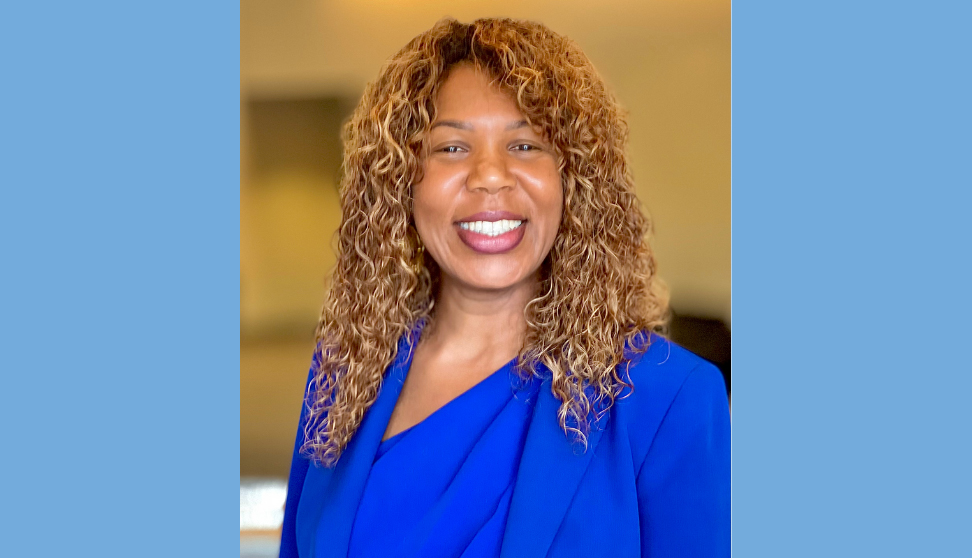
For much of her childhood, Rosalyn Coates endured severe asthma. Unable to join neighborhood children at play, she found companionship in books.
“All I could do is sit my buns still and read,” recalled Coates, 71, a retired attorney and member of Washington, D.C.’s Oracle Set Book Club.
Founded in 1966 by literacy advocate Claudette Franklin, Oracle Set is considered the oldest continuously operating Black women’s literary circle in Washington. Two founding members remain active six decades later. The club, capped at 18 members, also established a nonprofit foundation that has awarded scholarships to D.C. students since 1999.
“More than coming together to read, we affirm who we are through what we read,” Coates said. “We don’t wait for The New York Times best sellers list to tell us what to choose.”
That tradition stretches back nearly two centuries. One of the earliest recorded Black women’s reading groups, the Female Literary Association, was founded in Philadelphia in 1831 by educator Sara Mapps Douglass. Its members (free, literate Black women) read scripture, poetry and abolitionist journals, shared their own essays and participated in anti-slavery and suffrage movements.
As emancipation followed, Black women’s literary clubs spread to cities including Detroit, New York, Pittsburgh, Indianapolis and Washington, combining reading with activism and mutual aid.
“For women who look like me, book clubs are built upon collective actions,” said Kathy Freeman, leader of Philadelphia’s ‘A Gathering of Women Readers.’
Her group has supported medical drives for Cuba, clothing drives for Senegal, local book drives and summer camps for unhoused residents.
That combination of books and belonging also fueled the creation of ‘Go On Girl Book Club’ in 1991. Co-founder Monique Greenwood, a former Essence editor-in-chief, started the New York group with Tracy Mitchell-Brown and Lynda Johnson.
“Reading and reflection of the books served merely as a jumping-off point to share and exchange ideas—to hear each other’s voices,” Greenwood said.
As members moved to other cities, they created new chapters. Today, Go On Girl has 51 chapters and more than 500 members nationwide.
Washington’s ‘Sister Girls Book Club’ recently celebrated its 25th anniversary. Founder Joyce Ferguson-Fleming began with eight women who shared a commitment to reading. Over time, meetings grew into something deeper.
“We feed each other,” said longtime member Lisa Griffith. “We lay out food, ideas, and nourish each other emotionally and spiritually. We’ve grown from a reading circle to a sisterhood.”
Technology has expanded that sisterhood. Glory Edim launched ‘Well-Read Black Girl’ in 2015, building an online community devoted to celebrating Black women authors. The platform now claims more than 400,000 followers and sponsors book festivals, podcasts, author conversations and local chapters.
The pandemic further accelerated virtual gatherings. Marcie Thomas, founder of Brown Girl Collective, turned her passion for reading into a virtual book club in 2020. What began as a monthly gathering has expanded to twice-weekly programming featuring authors, wellness conversations and other content.
Black women’s literary communities have also become major forces in publishing. Author Curtis Bunn, who launched the National Book Club Conference in 2003, credits Black women readers with helping authors develop audiences and improve their craft. The Atlanta conference now attracts about 400 attendees, overwhelmingly Black women, for author sessions, workshops and fellowship.
For nearly two centuries, Black women have gathered around books—first in parlors and living rooms and now in bookstores, conference halls and across digital screens.
The books may bring them together, but the communities they build (places to be heard, supported and understood) keep them coming back.