
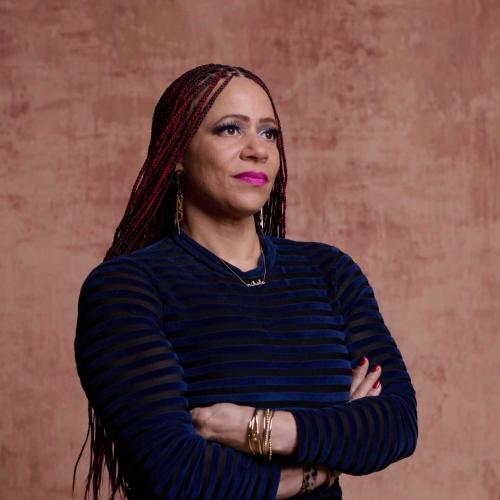
A deeply personal essay by Pulitzer Prize-winning journalist Nikole Hannah-Jones is generating conversation among Black parents and educators about a difficult question: How much should parents allow their commitment to public education and racial integration to influence the educational choices they make for their own children?
Hannah-Jones, creator of the ‘1619 Project’ and a long time reporter on school segregation, recently revisited her decision to enroll her daughter, Najya, in a predominantly Black, high-poverty public school in Brooklyn rather than seek admission to one of New York City’s more selective or affluent schools.
It was a decision Hannah-Jones had written about publicly a decade earlier. She believed families with resources should invest in neighborhood public schools rather than abandoning them for schools serving wealthier students.
But years later, her daughter challenged that choice.
“So you had money to send me to one of the best schools, and you chose not to?” Najya asked her mother, according to Hannah-Jones’ essay.
The question forced Hannah-Jones to reconsider the line between her principles as an advocate for educational equality and her responsibilities as a parent.

Najya succeeded academically, but after entering a more rigorous high school, she discovered that some classmates had received stronger academic preparation. Hannah-Jones writes candidly about questioning whether her daughter had borne some of the cost of a decision rooted partly in her mother’s beliefs about inequality and public education.
The essay has resonated because the dilemma extends well beyond one family.
Black parents frequently face complicated choices involving neighborhood schools, private schools, magnet programs and predominantly White schools that may offer more academic resources. Those decisions can involve not only academics, but culture, belonging, safety, opportunity and a desire for children to learn in environments where they are not marginalized.
Hannah-Jones does not present an easy answer. Instead, her experience raises a more uncomfortable question: Should parents make educational choices based primarily on what is best for their individual child, or should the broader consequences for public schools and other children also matter?
For many families, that makes the debate about much more than choosing a school. It is about what parents owe their children—and what they owe their communities.